


Contact lenses have come a long way — today’s options balance comfort, breathability, and visual clarity in ways that suit busy routines and active hobbies. Advances in lens materials and manufacturing mean many wearers experience less dryness, better oxygen flow to the cornea, and clearer vision across different lighting conditions. Whether you’re new to lenses or returning after a long break, modern designs offer real benefits for everyday life.
A proper contact lens exam pairs clinical measurement with practical conversation about how you live. Our team takes time to understand your daily demands — from screen time and driving at night to sports and seasonal allergies — then matches those needs to lens materials and wearing schedules that fit. This personalized approach helps ensure lenses feel good from morning through evening.
At the office of Vision World Bay Shore, we emphasize safe, lasting results. That means combining precise ocular measurements, hands-on fitting, and patient education so you leave confident in both your prescription and your ability to handle lenses comfortably. Good fit and clear instructions make the difference between occasional wear and a contact lens routine that truly works for you.
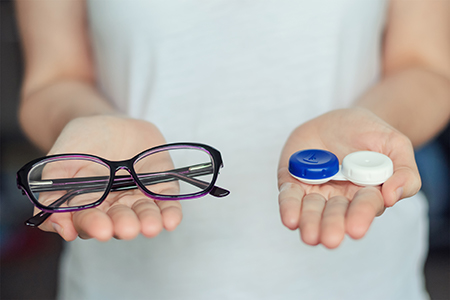
Many people opt for contact lenses because they deliver a natural field of view and eliminate the visual boundaries that frames create. Lenses sit on the eye, moving with it and providing unobstructed vision that’s especially helpful for sports, driving, or tasks that rely on peripheral awareness. For active lifestyles, that freedom can be transformative.
Beyond the practical perks, contact lenses are adaptable to different needs: disposable lenses reduce maintenance, daily lenses simplify hygiene, and specialty designs address astigmatism or presbyopia. Contacts also allow you to wear non-prescription sunglasses or sport-specific eyewear without compromising vision correction.
Contact lenses can also be a cosmetic choice for those who prefer the way they look without glasses. Because all lenses are medical devices, a professional fitting and prescription are required even for purely cosmetic wear — an important safeguard that protects both vision and eye health.
Offers unobstructed, natural peripheral vision for dynamic activities
Provides a discreet appearance without frames or reflections
Remains unaffected by weather conditions that fog or splatter glasses
Enables the use of non-prescription sunglasses or sport eyewear over your correction
Delivers a comfortable, active-friendly solution for sports and movement
A contact lens evaluation builds on a standard eye exam but focuses on measurements and trials specific to lens wear. Because contact lenses rest directly on the tear film, we measure the curvature of your cornea, check tear quality, and evaluate eyelid function to ensure a safe, comfortable fit. These steps identify the lens geometry and material best suited to your eyes.
During the fitting, the eye doctor will place trial lenses on your eyes to assess fit, movement, and comfort. We evaluate vision with the trial lenses in place and make adjustments until the prescription and fit meet your visual and physical needs. This process helps us anticipate how lenses will perform throughout the day and under varying conditions.
Although a contact lens exam addresses fit and wearability, it does not replace a comprehensive eye health exam. We still screen for underlying issues that can affect long-term vision and contact safety, and we recommend follow-up visits to monitor fit, ocular health, and visual performance as your needs evolve.
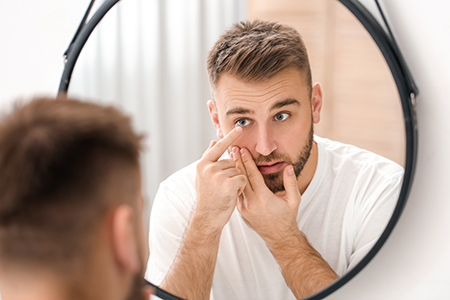
Choosing contact lenses is as much about lifestyle as it is about prescription. We consider factors like how many hours per day you’ll wear lenses, whether you need them for sports or night driving, and how involved you want to be with cleaning and replacement routines. Those preferences guide whether you choose daily disposables, biweekly lenses, or specialty options.
Eye anatomy plays a central role too. Corneal shape, tear film stability, and the presence of dry eye all influence lens selection. In cases of irregular corneas or prior surgery, advanced materials and custom fittings can restore comfortable wear where standard lenses may fail.
Communication is key: we’ll discuss trade-offs and practicalities so you can make an informed decision. If a particular type of lens suits your vision but not your routine, we’ll explore alternatives that balance clarity, convenience, and long-term eye health.
Soft lenses are the most commonly prescribed because they conform to the eye and generally offer quick adaptation. Silicone hydrogel materials, in particular, allow more oxygen to reach the cornea, supporting healthy tissue and longer comfortable wearing times. These lenses come in daily, weekly, and monthly replacement schedules to match different hygiene preferences.
Daily disposables are designed to be worn for a single day and discarded at night. Their convenience minimizes cleaning and storage steps, which can reduce the risk of buildup and infection. They are a popular choice for people with busy routines or those who prefer low-maintenance lens care.
Some lenses are approved for overnight or extended wear, offering convenience for travelers or those who prefer not to remove lenses nightly. Extended schedules can be appropriate for certain patients but require careful monitoring because continuous wear may raise risks if not followed and supervised properly.
RGP lenses are firmer than soft lenses and maintain their shape on the eye, often delivering crisper vision and greater durability. They can be an excellent option for people with higher prescriptions or corneal irregularities; though initial comfort can take time, many wearers appreciate their long-term performance and reduced deposit formation.
Toric lenses have a design that stabilizes on the eye to correct astigmatism, offering clearer vision for those whose corneas are more oval than round. They are available as both soft and rigid designs, and modern toric lenses provide excellent rotational stability for consistent vision.
Multifocal contact lenses are tailored for presbyopia and provide vision at multiple distances without switching between glasses. They use zone or gradient designs to blend near and far powers. Some patients prefer multifocals, while others find monovision strategies more comfortable — we’ll help you compare real-world results during a trial.
Monovision fits one eye for distance and the other for near tasks, which can be a practical alternative when multifocal adaptation is challenging. A trial period helps determine whether your brain adjusts comfortably to the difference in focus between eyes before making a long-term recommendation.
Cosmetic lenses change or enhance eye color and are available with corrective powers as well. Because all contact lenses are regulated medical devices, even purely cosmetic lenses require a prescription and professional fitting to ensure proper fit and ocular safety.
At the office of Vision World Bay Shore, we take time to explain each option and run real-world trials so you experience how lenses perform before committing. Patient education about insertion, removal, and daily care is a core part of our fitting process.
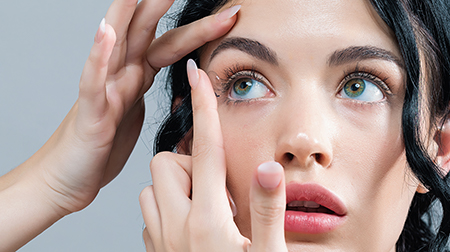
Not everyone achieves an ideal fit with standard lenses. Conditions such as keratoconus, significant corneal scarring, post-surgical changes, and severe astigmatism can make fit more complex. In these cases, custom or specialty lenses — including scleral lenses and customized RGP designs — can provide stable, comfortable vision where ordinary lenses cannot.
We evaluate the specific reason a lens may feel uncomfortable or provide poor vision, then match the solution to the problem. That might mean altering lens diameter, changing material, or recommending a specialty design that vaults the cornea for improved comfort and visual stability. Many patients who once thought lenses were impossible find an effective solution with a careful specialist fitting.
Even for challenging fits, the priority is eye health. If a medical condition requires treatment before or alongside lens wear, we will outline safe options and collaborate on a plan that supports both ocular health and functional vision.
Factors that commonly make lenses harder to fit include:
Irregular corneal shape or scars
Extensive astigmatism or very high prescriptions
Post-operative corneal changes after refractive surgery
Chronic dry eye or surface disease
Giant papillary conjunctivitis or other eyelid-related conditions
Good lens care begins with proper handling. Always wash and dry your hands before touching lenses, follow the prescribed cleaning routine, and replace lenses on the recommended schedule. For many wearers, daily disposables reduce maintenance and the potential for contamination; for others, proper cleaning solutions and storage are essential.
Watch for warning signs such as persistent redness, increasing discomfort, sudden vision changes, or discharge. Any of these symptoms should prompt immediate removal of lenses and an office visit. Early attention prevents minor issues from becoming serious complications.
Contact lens prescriptions and fits should be reviewed at least annually so we can verify continued comfort and eye health. During follow-up visits we check fit, corneal condition, and tear quality, and recommend adjustments if needed. Routine monitoring helps maintain safe lens wear throughout changes in lifestyle, health, or vision.
In summary, contact lens exams are a blend of precision measurement, practical trials, and ongoing care. With the right guidance and follow-up, lenses can be a comfortable, reliable way to achieve clear vision for work, play, and everyday life. Contact us for more information about contact lens exams and to learn which options may be best for you.
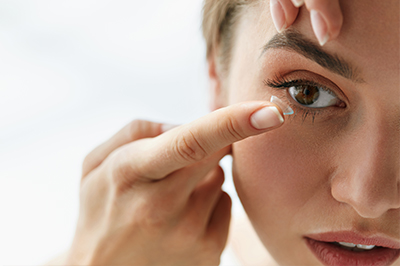
Unlike an eyeglass lens positioned approximately 12mm away from your eye, a contact lens sits directly on its surface. In addition to determining the lens power needed to correct any vision impairment, your contact lens prescription requires information about the anatomy of your eye, the curvature of the cornea, the diameter of the lens, and other parameters. This data helps ensure an accurate fit and optimal vision correction, which in turn supports healthy and comfortable wear.
Although contact lenses offer a convenient and comfortable alternative to eyeglasses, it’s essential to handle, wear, and maintain them as directed. With proper care, the risk of problems is quite low. However, not wearing or taking care of your contacts can cause significant problems and lead to eye infections, corneal abrasions, dry eyes, corneal ulcers, or other issues, including vision loss. Remember, it’s essential to be vigilant and get professional guidance and care as soon as a problem develops.
While contact lenses provide millions of people with an effective and satisfying solution for a broad range of vision impairments and eye issues, some people cannot comfortably or safely wear them. If you are prone to eye infections, have severe allergies or dry eyes that are not responsive to treatment, are exposed to a dusty daily environment, or cannot properly care for contact lenses, we’ll recommend a different option in care.
While, in some ways, contact lens considerations for children are the same as those for teenagers and adults, some significant differences require further discussion. Whether or not a child is a candidate for contact lenses and at what age they can safely wear them depends on several factors. For one thing, it’s essential to evaluate how well a child can handle the responsibility of safely and properly caring for their contacts. Another consideration is the presence of underlying medical conditions or significant seasonal allergies. At our office, we provide skilled and experienced care. If you are interested in contact lenses for your child, we’re well equipped to advise you on the healthiest and safest vision care options.
The United States Food and Drug Administration recommends contact lenses not be exposed to any form of water. The reason is that certain bacteria present in impure water can become attached to contact lenses, increasing the risk of infection and possible vision loss. However, if lenses are worn in a bathtub or hot tub, it’s essential to avoid getting water splashed in your eyes. Also, tight-fitting goggles can offer a measure of protection when swimming with contact lenses.
Based on research and scientific evidence, the American Optometric Association offers the following advice:
“If lenses are accidentally exposed to water, instill a lubricating drop to help loosen the lens on the eye then remove the lens with clean, dry hands. Next, clean and disinfect the lens before re-inserting, or discard the lens. Never sleep in a lens that has been exposed to water without first cleaning and disinfecting it. If lenses were removed prior to getting in a bathtub or hot tub, they must be properly cleaned and disinfected before being re-inserted.”
A prescription for contact lenses is valid for a year. Purchasing contact lenses requires an annual eye exam to generate a valid prescription.
It’s always worthwhile to invest in your vision! With that said, the cost of contact lenses varies. It all depends on the type of lens, whether they are daily or extended wear or specialized lenses designed for a specific purpose. Most vision insurance plans provide some coverage for contact lenses. However, copays and coinsurance rates can vary by plan. In some cases, when a medical condition precludes eyeglasses, a patient may receive coverage for contacts under their medical insurance.
At the office of Vision World Bay Shore, we provide the finest quality of care to help patients of all ages maintain healthy eyes and enjoy optimal vision. We offer a comprehensive range of services from eye exams, prescription lenses, and all types of contact lenses, to vision screenings to detect any signs of disease or injury affecting the health of your eyes. Our position at the forefront of advances in vision technology and treatment methods demonstrates our dedication to serving our patients' needs. It’s also the reason so many patients choose our office for care.
A contact lens exam is a focused eye evaluation that measures the surface and shape of the eye and determines the exact vision correction needed for lens wear. The exam includes tests not always performed in a standard eye exam, such as corneal curvature assessment and tear film evaluation. These measurements help the clinician prescribe lenses that fit securely and provide clear vision.
During the visit the doctor will also review your medical history and discuss lifestyle needs such as work, sports and screen time. Trial lenses or diagnostic lenses may be used to confirm fit and comfort before finalizing a prescription. The purpose is to ensure effective vision correction while protecting long-term ocular health.
A contact lens exam builds on a routine eye exam by adding measurements and surface assessments specific to lens wear. Rather than measuring only the refractive error, the exam evaluates corneal shape, tear stability, pupil and lid position to determine how a lens will sit on the eye. These extra steps are necessary because contact lenses rest on the eye surface while glasses sit away from the face.
The contact lens evaluation also includes a fit check with sample lenses when appropriate and instruction in insertion, removal and care. It does not replace a comprehensive eye health exam but complements it to ensure safe lens wear. Eye health concerns discovered during the contact lens exam will be addressed or monitored as part of ongoing care.
Selecting the right lens begins with a full assessment of your prescription, corneal anatomy and tear quality. Your daily routine, desired wear schedule and ability to follow cleaning regimens are considered when recommending soft, rigid gas-permeable, daily disposable or extended-wear options. The clinician balances visual clarity, comfort and convenience to find the most suitable material and design.
Specialty lenses such as toric, multifocal or scleral designs are recommended when needed to correct astigmatism, presbyopia or irregular corneas. Lens trials and follow-up visits help confirm that the selected lens meets visual and comfort goals. Clear communication about your expectations and activities is essential to a successful fit.
A contact lens fitting typically includes corneal curvature measurements, pupil and iris size checks, and an evaluation of the tear film and ocular surface. Additional testing may include corneal topography to map the surface shape and slit-lamp inspection to check for scarring, redness or irregularities. These data points ensure the lens curvature, diameter and edge design are appropriate for your eyes.
The practitioner will also measure visual acuity with trial lenses in place to determine the correct lens power. Lid position and blink pattern are reviewed because they affect lens stability and comfort. Together these measurements reduce the risk of poor fit and promote safe, comfortable lens wear.
Yes, modern contact lenses are available to address a wide range of refractive needs, including astigmatism and presbyopia. Toric lenses correct cylindrical error caused by astigmatism, while multifocal and bifocal lenses provide distinct zones or gradual power changes for near and distance vision in presbyopia. Monovision, where one eye is set for distance and the other for near, can also be an effective alternative for some patients.
For irregular corneas or disease-related problems, options include rigid gas-permeable, scleral and custom designs that vault or reshape the surface to improve vision and comfort. Therapeutic lenses are available for certain medical indications under the guidance of an eye care professional. Your clinician will explain which designs are appropriate based on your diagnosis and lifestyle.
Hard-to-fit contacts describe situations where standard soft lenses do not provide adequate fit, comfort or vision due to unique eye shapes or medical conditions. Common factors include keratoconus, corneal scarring, severe dry eye, post-refractive surgery anatomy and certain lid or tear film abnormalities. These irregularities can prevent a standard lens from aligning properly with the eye surface.
Specialty solutions such as custom rigid gas-permeable lenses, scleral lenses or hybrid designs are often effective for hard-to-fit cases. The fitting process is more involved and may require additional follow-up to fine-tune lens parameters. Even when fitting is complex, many patients achieve functional, comfortable vision with specialized care.
Proper hygiene and adherence to wear-and-replacement schedules are essential to reduce the risk of infection and maintain comfortable lens wear. Always wash and dry your hands before handling lenses, follow the recommended cleaning and storage procedures for your lens type, and avoid exposing lenses to water. Remove lenses immediately if you experience persistent redness, pain, sudden vision changes or discharge.
Do not sleep in lenses unless they are specifically approved for extended overnight use and only under the direction of your eye care provider. Regularly replace lens cases and follow the manufacturer and clinician instructions for disinfection. Routine follow-up exams help detect early signs of problems and ensure ongoing safe use.
Contact lens prescriptions should be evaluated at least annually to confirm fit, verify visual performance and check ocular health. Some patients with specific conditions or with new lens types may require more frequent follow-up in the weeks or months after a new fitting. Regular evaluations allow the clinician to detect changes in the cornea, tear film or vision that could affect lens wear.
If you experience persistent dryness, discomfort, fluctuating vision or any redness between visits, you should schedule an appointment promptly. The eye care team will reassess lens parameters and recommend adjustments or alternative options as needed. Ongoing monitoring helps maintain safe, comfortable lens use over time.
During a trial the clinician fits sample lenses and evaluates how they center, move and correct your vision while on the eye. You will be taught insertion, removal and care techniques and given a wear schedule to follow at home. Follow-up appointments are scheduled to assess comfort, ocular surface condition and visual performance after a period of real-world wear.
Adjustments to lens material, curvature or power may be made based on your feedback and examination findings. The clinician will confirm that the lenses do not compromise corneal health and that the chosen regimen fits your lifestyle. Successful trials typically end with a finalized prescription and continued periodic monitoring.
Vision World Bay Shore provides comprehensive contact lens evaluations that combine advanced measurement techniques with personalized care to match lenses to your eyes and lifestyle. The practice offers a range of lens technologies and specialized fittings for routine, astigmatic and hard-to-fit cases, and staff members take time to instruct patients in safe handling and maintenance. This approach helps ensure effective vision correction and ongoing ocular health.
During your visit you can expect careful surface assessments, trial fittings when indicated and clear guidance on follow-up care. The team emphasizes communication and education so you understand lens options and recommended wear schedules. If a medical issue is detected, the office will provide appropriate recommendations and coordinate continued care as needed.